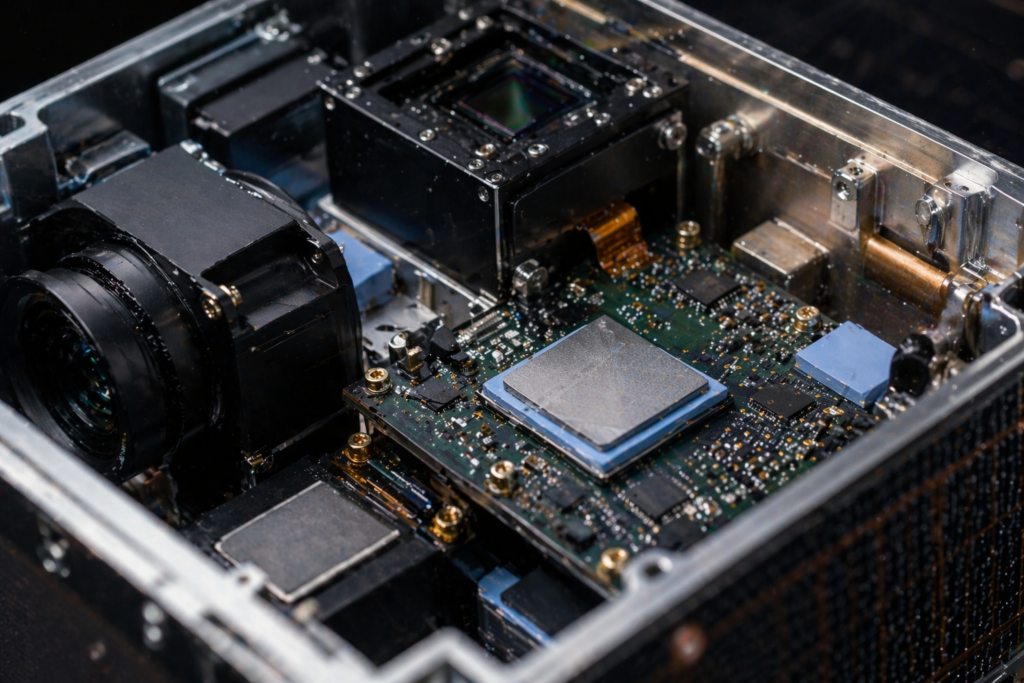
For Low Earth Orbit satellite manufacturers, optical payload designers, and space-grade electronics engineers, outgassing is not just a material concern. It is a mission reliability risk. In LEO satellite systems, thermal interface materials play a critical role in transferring heat away from electronic components, power modules, sensors, communication systems, and optical payloads. However, when these materials are exposed to high vacuum, rapid thermal cycling, and long-duration operation in orbit, material stability becomes just as important as thermal conductivity. Traditional silicone-based thermal pads, thermal greases, and gap fillers may contain low-molecular-weight siloxanes or other volatile compounds. Under vacuum and elevated temperature conditions, these substances may outgas, migrate, and condense on sensitive surfaces. This can lead to micro-contamination, electrical contact failure, sensor drift, optical degradation, and long-term performance loss. For this reason, low-outgassing thermal interface materials are increasingly important for LEO satellite thermal management, aerospace electronics, optical systems, and other vacuum-sensitive applications.

low outgassing thermal interface materials For Low Earth Orbit satellite manufacturers, optical payload designers, and space-grade electronics engineers, outgassing is not just a material concern. It is a mission reliability risk. In LEO satellite systems, thermal interface materials play a critical role in transferring heat away from electronic components, power modules, sensors, communication systems, and optical payloads. However, when these materials are exposed to high vacuum, rapid thermal cycling, and long-duration operation in orbit, material stability becomes just as important as thermal conductivity. Traditional silicone-based thermal pads, thermal greases, and gap fillers may contain low-molecular-weight siloxanes or other volatile compounds. Under vacuum and elevated temperature conditions, these substances may outgas, migrate, and condense on sensitive surfaces. This can lead to micro-contamination, electrical contact failure, sensor drift, optical degradation, and long-term performance loss. For this reason, low-outgassing thermal interface materials are increasingly important for LEO satellite thermal management, aerospace electronics, optical systems, and other vacuum-sensitive applications. Thermal management World Leader : LiPOLY TIMs®
Low-Outgassing Thermal Interface Materials for LEO Satellite Thermal Management For Low Earth Orbit satellite manufacturers, optical payload designers, and space-grade electronics engineers, outgassing is not just a material concern. It is a mission reliability risk. In LEO satellite systems, thermal interface materials play a critical role in transferring heat away from electronic components, power modules, sensors, communication systems, and optical payloads. However, when these materials are exposed to high vacuum, rapid thermal cycling, and long-duration operation in orbit, material stability becomes just as important as thermal conductivity. Traditional silicone-based thermal pads, thermal greases, and gap fillers may contain low-molecular-weight siloxanes or other volatile compounds. Under vacuum and elevated temperature conditions, these substances may outgas, migrate, and condense on sensitive surfaces. This can lead to micro-contamination, electrical contact failure, sensor drift, optical degradation, and long-term performance loss. For this reason, low-outgassing thermal interface materials are increasingly important for LEO satellite thermal management, aerospace electronics, optical systems, and other vacuum-sensitive applications.

Why Outgassing Matters in LEO Satellite Design

Low Earth Orbit satellites operate in an environment where material behavior can be very different from conditions on Earth. In terrestrial applications, thermal materials are mainly evaluated by thermal conductivity, compressibility, mechanical softness, electrical insulation, and long-term reliability. In space applications, however, another factor becomes critical: outgassing performance.

Outgassing refers to the release of volatile substances from a material when it is exposed to vacuum, heat, or both. These released molecules can travel through the satellite structure and redeposit on colder surfaces. Once condensation occurs, the contamination is extremely difficult, and often impossible, to remove.

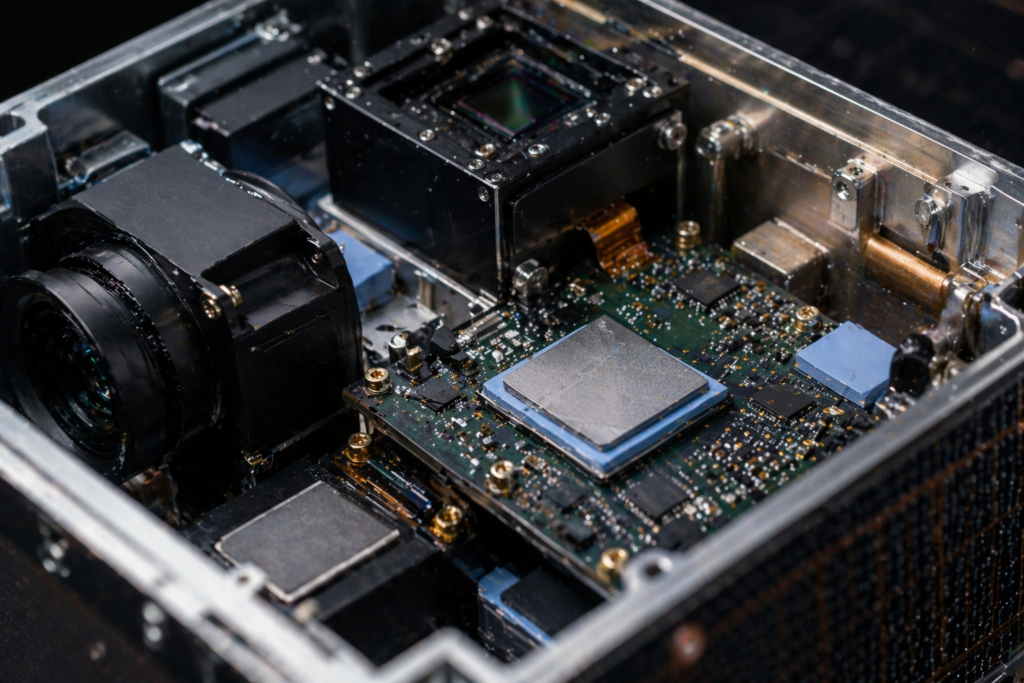
This is especially important for LEO satellites because many systems are compact, densely packaged, and highly sensitive to contamination. A small amount of molecular contamination may be enough to affect optical lenses, sensors, electrical contacts, RF components, or precision measurement systems.

For satellite constellations, the risk becomes even greater. A material issue that affects one satellite design may be repeated across hundreds or thousands of units. Therefore, controlling outgassing at the material selection stage is essential for mission reliability, product scalability, and long-term system stability.


The Thermal Environment of Low Earth Orbit

LEO satellites typically operate at altitudes of several hundred to around two thousand kilometers above Earth. At this altitude, the atmosphere is extremely thin, creating a high-vacuum environment. This means that convection, one of the most common heat dissipation methods on Earth, is no longer available.
In space, heat generated by electronic components must be transferred mainly through conduction and then rejected into space through radiation. Thermal interface materials are therefore used to improve heat transfer between components, housings, heat spreaders, cold plates, chassis structures, and radiators.
LEO satellites also experience repeated thermal cycling. As the satellite moves between direct sunlight and Earth’s shadow, surface and internal temperatures can change rapidly. This repeated transition between hot and cold conditions places significant stress on materials.


A suitable thermal interface material for LEO satellite applications must therefore meet several requirements at the same time:
●It must provide stable thermal conductivity.
●It must maintain mechanical compliance under repeated thermal cycling.
●It must remain physically stable under vacuum.
●It must reduce the risk of volatile contamination.
●It must support long-term reliability in mission-critical systems.
This is why material selection for satellite thermal management should not focus only on initial thermal performance. Vacuum compatibility and low-outgassing behavior must also be considered.
ChatGPT Image 2026年4月24日 下午05 53 46 For Low Earth Orbit satellite manufacturers, optical payload designers, and space-grade electronics engineers, outgassing is not just a material concern. It is a mission reliability risk. In LEO satellite systems, thermal interface materials play a critical role in transferring heat away from electronic components, power modules, sensors, communication systems, and optical payloads. However, when these materials are exposed to high vacuum, rapid thermal cycling, and long-duration operation in orbit, material stability becomes just as important as thermal conductivity. Traditional silicone-based thermal pads, thermal greases, and gap fillers may contain low-molecular-weight siloxanes or other volatile compounds. Under vacuum and elevated temperature conditions, these substances may outgas, migrate, and condense on sensitive surfaces. This can lead to micro-contamination, electrical contact failure, sensor drift, optical degradation, and long-term performance loss. For this reason, low-outgassing thermal interface materials are increasingly important for LEO satellite thermal management, aerospace electronics, optical systems, and other vacuum-sensitive applications. Thermal management World Leader : LiPOLY TIMs®
Low-Outgassing Thermal Interface Materials for LEO Satellite Thermal Management For Low Earth Orbit satellite manufacturers, optical payload designers, and space-grade electronics engineers, outgassing is not just a material concern. It is a mission reliability risk. In LEO satellite systems, thermal interface materials play a critical role in transferring heat away from electronic components, power modules, sensors, communication systems, and optical payloads. However, when these materials are exposed to high vacuum, rapid thermal cycling, and long-duration operation in orbit, material stability becomes just as important as thermal conductivity. Traditional silicone-based thermal pads, thermal greases, and gap fillers may contain low-molecular-weight siloxanes or other volatile compounds. Under vacuum and elevated temperature conditions, these substances may outgas, migrate, and condense on sensitive surfaces. This can lead to micro-contamination, electrical contact failure, sensor drift, optical degradation, and long-term performance loss. For this reason, low-outgassing thermal interface materials are increasingly important for LEO satellite thermal management, aerospace electronics, optical systems, and other vacuum-sensitive applications.


ChatGPT Image 2026年4月24日 下午05 53 46 1 For Low Earth Orbit satellite manufacturers, optical payload designers, and space-grade electronics engineers, outgassing is not just a material concern. It is a mission reliability risk. In LEO satellite systems, thermal interface materials play a critical role in transferring heat away from electronic components, power modules, sensors, communication systems, and optical payloads. However, when these materials are exposed to high vacuum, rapid thermal cycling, and long-duration operation in orbit, material stability becomes just as important as thermal conductivity. Traditional silicone-based thermal pads, thermal greases, and gap fillers may contain low-molecular-weight siloxanes or other volatile compounds. Under vacuum and elevated temperature conditions, these substances may outgas, migrate, and condense on sensitive surfaces. This can lead to micro-contamination, electrical contact failure, sensor drift, optical degradation, and long-term performance loss. For this reason, low-outgassing thermal interface materials are increasingly important for LEO satellite thermal management, aerospace electronics, optical systems, and other vacuum-sensitive applications. Thermal management World Leader : LiPOLY TIMs®
Low-Outgassing Thermal Interface Materials for LEO Satellite Thermal Management For Low Earth Orbit satellite manufacturers, optical payload designers, and space-grade electronics engineers, outgassing is not just a material concern. It is a mission reliability risk. In LEO satellite systems, thermal interface materials play a critical role in transferring heat away from electronic components, power modules, sensors, communication systems, and optical payloads. However, when these materials are exposed to high vacuum, rapid thermal cycling, and long-duration operation in orbit, material stability becomes just as important as thermal conductivity. Traditional silicone-based thermal pads, thermal greases, and gap fillers may contain low-molecular-weight siloxanes or other volatile compounds. Under vacuum and elevated temperature conditions, these substances may outgas, migrate, and condense on sensitive surfaces. This can lead to micro-contamination, electrical contact failure, sensor drift, optical degradation, and long-term performance loss. For this reason, low-outgassing thermal interface materials are increasingly important for LEO satellite thermal management, aerospace electronics, optical systems, and other vacuum-sensitive applications.

How Silicone-Based Materials Can Create Contamination Risks

Silicone-based thermal interface materials are widely used in many electronic applications because they offer good softness, surface wetting, thermal stability, and processability. However, for vacuum-sensitive systems, traditional silicone materials may present outgassing concerns.
Silicone polymers may contain low-molecular-weight siloxanes or other volatile residues. Under normal atmospheric conditions, these substances may remain relatively stable. Under vacuum and elevated temperature conditions, however, the boiling point and volatilization behavior of these substances can change significantly.
When a satellite operates in orbit, heat generated by electronic components can accelerate the release of volatile molecules from silicone-based materials. These molecules may then migrate inside the satellite structure. When they reach colder surfaces, they can condense and form thin contamination layers.
This type of molecular contamination may not be visible to the naked eye, but it can still affect sensitive satellite systems. For this reason, engineers working on LEO satellites, optical payloads, and high-reliability aerospace electronics often evaluate low-outgassing or silicone-free thermal interface materials during the design stage.


Three Failure Risks: Electrical Contacts, Sensors, and Optical Systems

Outgassing-related contamination can affect multiple parts of a satellite system. The following three areas are especially sensitive.

1. Electrical Contact Reliability

Volatile substances can condense on relays, switches, connectors, and micro-electrical contacts. If the deposited film has insulating characteristics, it may increase contact resistance or interfere with signal transmission.

In severe cases, contamination can contribute to unstable electrical behavior, intermittent contact issues, signal attenuation, or circuit failure. For satellites where repair is not possible after launch, even a small material-related reliability issue can become a serious mission risk.

2. Sensor Accuracy and Stability

LEO satellites often rely on star trackers, MEMS sensors, radar-related components, thermal sensors, and other precision detection systems. These devices require stable surface conditions and clean operating environments.

If outgassed materials redeposit on sensor surfaces, they may alter the surface properties of the component. This can lead to signal drift, reduced sensitivity, inaccurate measurement, or long-term calibration issues.

For satellite attitude control, orbit maintenance, Earth observation, and communication systems, sensor accuracy is directly related to mission performance. Reducing contamination risk is therefore an important part of satellite material selection.

3. Optical System Degradation

Optical systems are among the most sensitive areas affected by outgassing. Earth observation satellites, laser communication modules, imaging payloads, and optical sensors all depend on clean lenses, mirrors, filters, and detector surfaces.

When volatile molecules condense on optical surfaces, they may create a fogging-like effect at the molecular level. This can reduce light transmission, change optical performance, lower image quality, or weaken laser signal transmission.

Unlike equipment on Earth, optical components in orbit cannot be manually cleaned or replaced. This makes low-outgassing material selection especially important for satellites with cameras, optical payloads, or laser communication systems.


ASTM E595, TML, and CVCM: What Engineers Should Check

To evaluate material outgassing performance, the aerospace industry commonly refers to ASTM E595. This test method is used to assess the behavior of materials under vacuum and elevated temperature conditions.

Two key metrics are especially important:

/// TML: Total Mass Loss

TML stands for Total Mass Loss. It measures the percentage of mass lost by a material after exposure to a specified vacuum and temperature environment.

For many aerospace applications, a commonly referenced requirement is:

TML < 1.0%

A lower TML value indicates that the material releases less total volatile content under the test conditions.

/// CVCM: Collected Volatile Condensable Material

CVCM stands for Collected Volatile Condensable Material. It measures the amount of released material that condenses on a collector surface.

For many aerospace applications, a commonly referenced requirement is:

CVCM < 0.1%

CVCM is especially important because it directly relates to contamination risk. A material may lose some mass during testing, but if the released substances do not condense on sensitive surfaces, the contamination risk may be lower. Conversely, high CVCM can indicate a greater risk of molecular deposition on optics, sensors, or electrical contacts.

For LEO satellite thermal management, engineers should not only ask for thermal conductivity data. They should also review outgassing data, including TML and CVCM values, when selecting thermal pads, gap fillers, thermal greases, or other thermal interface materials.


Why Silicone-Free Thermal Interface Materials Are Preferred for Vacuum-Sensitive Systems

Silicone-free thermal interface materials are designed to reduce the risks associated with silicone-related volatile compounds. By eliminating the silicone polymer backbone, these materials can help minimize concerns related to low-molecular-weight siloxane outgassing.

For LEO satellite and vacuum-sensitive applications, silicone-free thermal materials may offer several advantages:

  • They help reduce silicone-related molecular contamination risks.
  • They support cleaner operation around optical and sensor systems.
  • They are suitable for applications where siloxane contamination must be minimized.
  • They can provide stable thermal transfer between heat-generating components and heat dissipation structures.
  • They can be evaluated with ASTM E595, TML, and CVCM data for aerospace-grade applications.

In addition to LEO satellites, silicone-free low-outgassing thermal interface materials may also be used in precision optical equipment, semiconductor cleanroom systems, vacuum equipment, aerospace electronics, and high-reliability testing platforms.

The key point is that low-outgassing performance should be considered early in the design process. If contamination risk is discovered after qualification or launch, the cost of correction can be extremely high.


LiPOLY Solutions for Space-Grade Thermal Management

LiPOLY develops thermal interface materials for demanding electronic, industrial, and precision equipment applications. For vacuum-sensitive and contamination-sensitive environments, silicone-free thermal materials can provide engineers with an option for reducing silicone-related outgassing risks while maintaining reliable thermal transfer.

For LEO satellite thermal management, LiPOLY’s silicone-free thermal interface materials are designed to support applications such as:

/ Satellite electronic modules

/ Power management units

/ Optical payload assemblies

/ Communication equipment

/ Sensor modules

/ Thermal conduction paths between chips, housings, and heat spreaders

/ Vacuum-sensitive electronic systems

/ Precision optical and cleanroom equipment

By focusing on material stability, thermal performance, and contamination control, LiPOLY helps engineers evaluate thermal solutions that can meet the demands of high-reliability applications.

For projects requiring low-outgassing performance, LiPOLY can provide material consultation, sample evaluation, and technical data for further testing and qualification.


Request Samples and TML/CVCM Test Data

When developing LEO satellites, optical payloads, aerospace electronics, or vacuum-sensitive precision systems, thermal interface material selection should not be based only on thermal conductivity.

Engineers should also consider:

/ Outgassing performance

/ TML and CVCM data

/ Silicone-free formulation options

/ Thermal cycling stability

/ Mechanical compliance

/ Electrical insulation

/ Long-term reliability under vacuum-sensitive conditions

LiPOLY provides silicone-free thermal interface material solutions for engineers seeking low-outgassing materials for space-grade and precision applications.

Contact LiPOLY today to request product information, technical consultation, physical samples, and available TML/CVCM test data for your next satellite, aerospace, or vacuum-sensitive thermal management project.


See the complete thermal datasheet by clicking here: Thermal Break Sheet
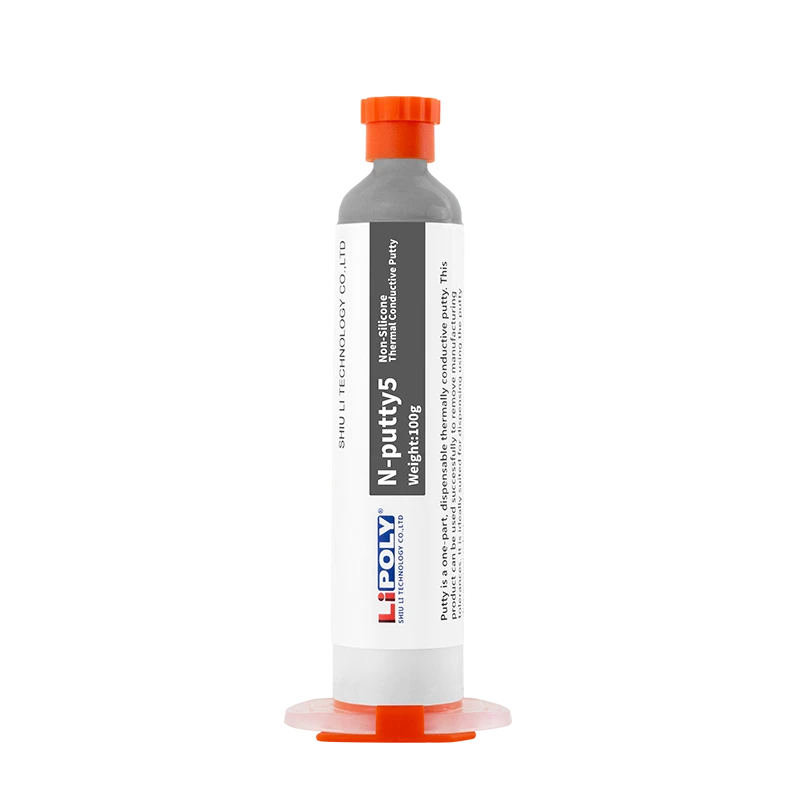


LiPOLY TIM Technology : Thermal Solutions


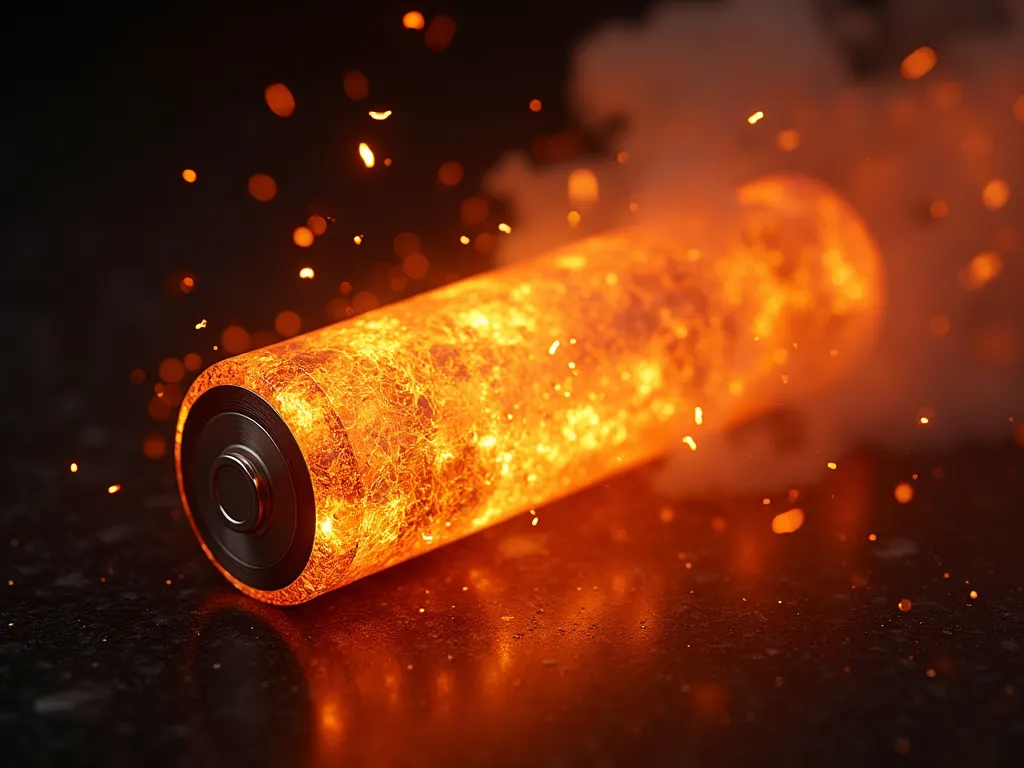
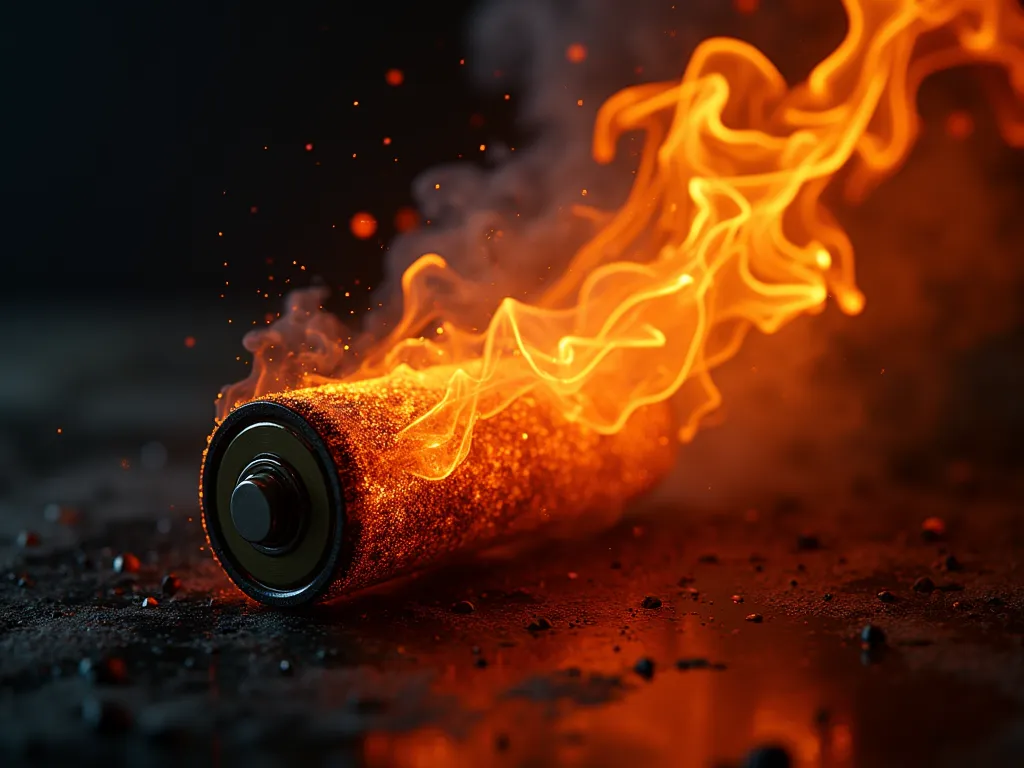
Thermal runaway is a critical safety issue in lithium-ion batteries. It occurs when the battery's internal temperature rises uncontrollably, leading to a cascade of exothermic reactions. This phenomenon can result in battery fires or explosions, posing serious safety risks. Thermal management World Leader : LiPOLY TIMs®
Preventing Thermal Runaway in Lithium-Ion Batteries Thermal runaway is a critical safety issue in lithium-ion batteries. It occurs when the battery's internal temperature rises uncontrollably, leading to a cascade of exothermic reactions. This phenomenon can result in battery fires or explosions, posing serious safety risks.

Understanding Thermal Runaway

Thermal runaway is a critical safety issue in lithium-ion batteries. It occurs when the battery’s internal temperature rises uncontrollably, leading to a cascade of exothermic reactions. This phenomenon can result in battery fires or explosions, posing serious safety risks.

Key Prevention Strategies

  1. Advanced Battery Management Systems
    Implementing sophisticated battery management systems is crucial. These systems monitor key parameters such as voltage, current, and temperature, ensuring the battery operates within safe limits.
  2. Improved Cell Design
    Enhancing the internal structure of battery cells can significantly reduce the risk of thermal runaway. This includes using safer electrode materials and improving separator designs.
  3. Thermal Management
    Effective cooling systems and heat dissipation techniques are essential in preventing overheating, which is often the precursor to thermal runaway.
  4. Innovative Insulation Materials: AS27-s
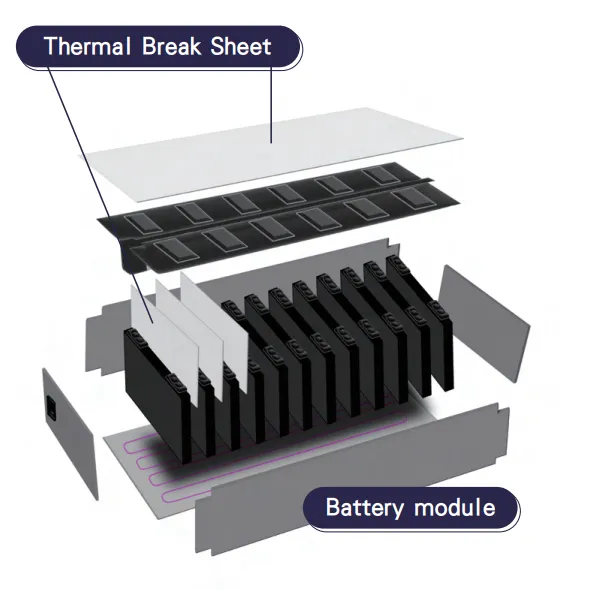
    One of the most promising advancements in thermal runaway prevention is the use of AS27-s insulation material. This revolutionary material is designed to be installed between individual battery cells, effectively preventing the spread of thermal runaway to adjacent cells.

See the complete thermal datasheet by clicking here: Thermal Break Sheet
AS27 1 Thermal runaway is a critical safety issue in lithium-ion batteries. It occurs when the battery's internal temperature rises uncontrollably, leading to a cascade of exothermic reactions. This phenomenon can result in battery fires or explosions, posing serious safety risks. Thermal management World Leader : LiPOLY TIMs®


Features of AS27-s :

  1. Composition: Made from a composite of porous silica, alumina, and other materials.
  2. Thermal Conductivity: Extremely low at 0.009 W/m·K.
  3. Temperature Resistance: Can withstand temperatures up to 1300°C.
  4. Density: Remarkably low, making it ideal for use in battery systems where weight is a concern.

AS27-s acts as a firewall within the battery pack, isolating thermal events and preventing them from cascading through the entire system. This significantly enhances the overall safety of lithium-ion battery packs, especially in high-energy applications like electric vehicles and grid storage systems.

AS17 s data Thermal runaway is a critical safety issue in lithium-ion batteries. It occurs when the battery's internal temperature rises uncontrollably, leading to a cascade of exothermic reactions. This phenomenon can result in battery fires or explosions, posing serious safety risks. Thermal management World Leader : LiPOLY TIMs®openart image AMq7 BJk 1737222619337 raw Thermal runaway is a critical safety issue in lithium-ion batteries. It occurs when the battery's internal temperature rises uncontrollably, leading to a cascade of exothermic reactions. This phenomenon can result in battery fires or explosions, posing serious safety risks. Thermal management World Leader : LiPOLY TIMs®

Conclusion

Preventing thermal runaway in lithium-ion batteries requires a multi-faceted approach. While advanced battery management systems and improved cell designs are crucial, the introduction of innovative materials like AS27-s represents a significant leap forward in battery safety technology. As the demand for high-performance batteries continues to grow, such advancements will play a pivotal role in ensuring the safe and reliable operation of lithium-ion battery systems across various applications.


LiPOLY TIM Technology : Thermal Solutions

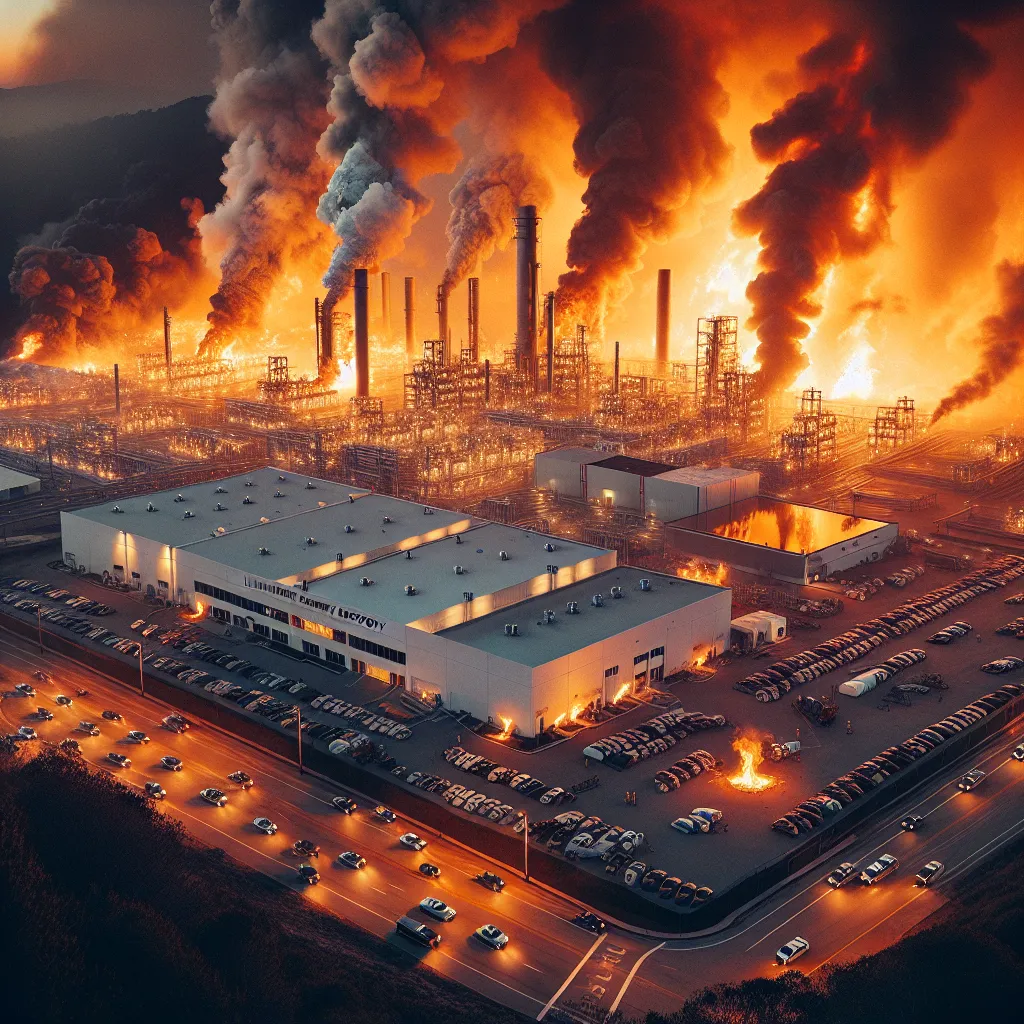
This event underscores the potential hazards associated with lithium-ion batteries, particularly the phenomenon known as thermal runaway. Thermal runaway occurs when a battery cell overheats, triggering a cascade of exothermic reactions that can lead to catastrophic failure Thermal management World Leader : LiPOLY TIMs®
Battery Fire in California Highlights Urgent Need for Enhanced Safety Measures This event underscores the potential hazards associated with lithium-ion batteries, particularly the phenomenon known as thermal runaway. Thermal runaway occurs when a battery cell overheats, triggering a cascade of exothermic reactions that can lead to catastrophic failure

The Dangers of Thermal Runaway : Battery Fire

This event underscores the potential hazards associated with lithium-ion batteries, particularly the phenomenon known as thermal runaway. Thermal runaway occurs when a battery cell overheats, triggering a cascade of exothermic reactions that can lead to catastrophic failure

In both energy storage systems and electric vehicles, the consequences of thermal runaway can be severe:

  1. Rapid temperature increase: Temperatures can soar to around 752°F (400°C) in milliseconds.
  2. Toxic gas emission: The fire at Moss Landing released hazardous fumes, prompting air quality concerns.
  3. Fire propagation: One overheating cell can trigger adjacent cells, potentially engulfing entire battery arrays.
  4. Explosion risk: In extreme cases, thermal runaway can cause batteries to explode, posing significant safety threats.

See the complete thermal datasheet by clicking here: Thermal Insulation Pad

AS27 1 This event underscores the potential hazards associated with lithium-ion batteries, particularly the phenomenon known as thermal runaway. Thermal runaway occurs when a battery cell overheats, triggering a cascade of exothermic reactions that can lead to catastrophic failure Thermal management World Leader : LiPOLY TIMs®


Mitigating Risks with Advanced Insulation

As the industry grapples with these challenges, innovative solutions are emerging to enhance battery safety. One such solution is the AS27-s thermal insulation sheet developed by LiPOLY Technology.

The AS27-s offers several key benefits:

  1. Exceptional thermal insulation: With an ultra-low thermal conductivity of 0.01 W/m·K, AS27-s effectively prevents heat transfer between battery cells.
  2. Fire resistance: The material does not contain asbestos or other harmful substances, providing an additional layer of safety.
  3. Versatility: Composed of high-polymer foam, glass fiber, and heat-resistant composites, AS27-s can be customized for various battery configurations.

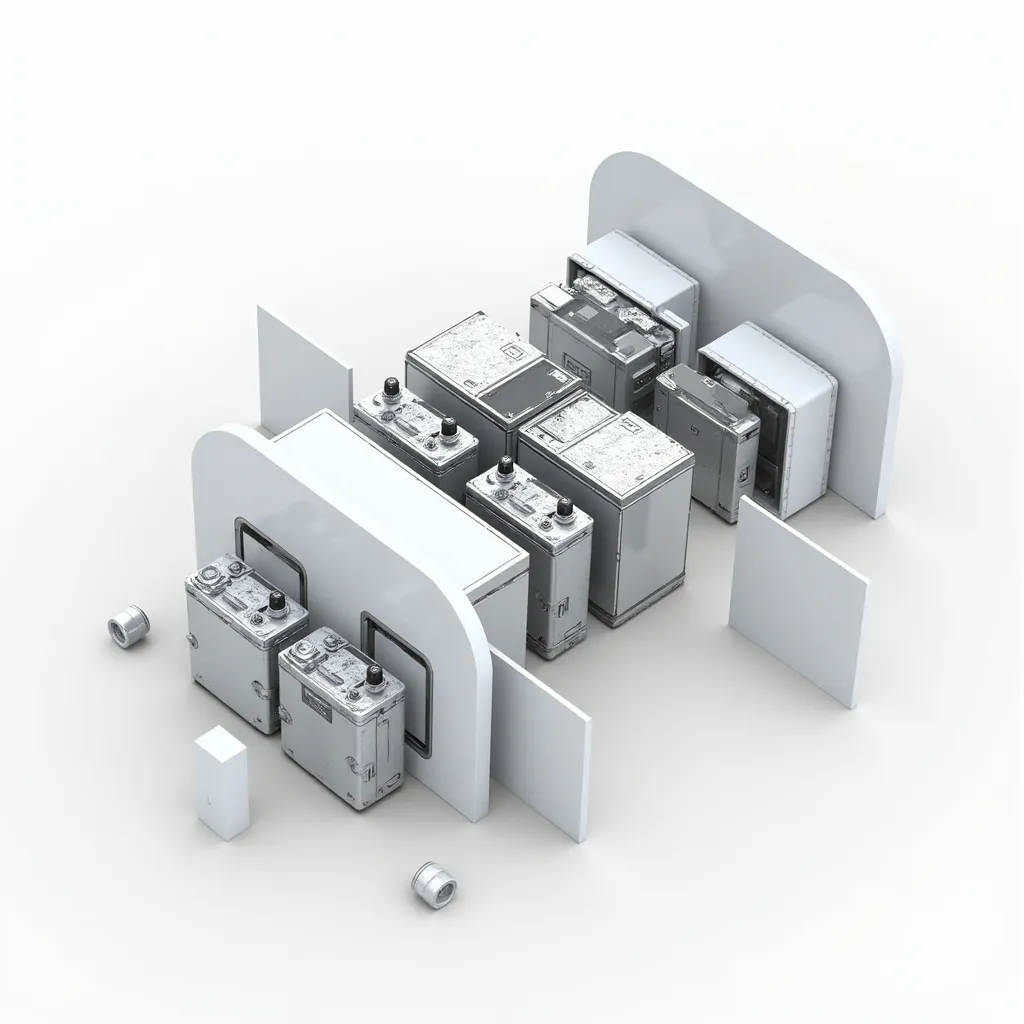
By incorporating AS27-s insulation sheets into battery pack designs, manufacturers can significantly reduce the risk of thermal runaway propagation. This added protection could potentially prevent small incidents from escalating into large-scale disasters like the Moss Landing fire.

AS17 s data This event underscores the potential hazards associated with lithium-ion batteries, particularly the phenomenon known as thermal runaway. Thermal runaway occurs when a battery cell overheats, triggering a cascade of exothermic reactions that can lead to catastrophic failure Thermal management World Leader : LiPOLY TIMs®openart image AMq7 BJk 1737222619337 raw This event underscores the potential hazards associated with lithium-ion batteries, particularly the phenomenon known as thermal runaway. Thermal runaway occurs when a battery cell overheats, triggering a cascade of exothermic reactions that can lead to catastrophic failure Thermal management World Leader : LiPOLY TIMs®

Looking Ahead

As the world increasingly relies on lithium-ion batteries for renewable energy storage and electric transportation, ensuring their safety is paramount. The Moss Landing incident serves as a stark reminder of the potential risks, but also highlights the importance of continued innovation in battery safety technologies.Implementing advanced thermal insulation solutions like AS27-s represents a crucial step towards creating safer, more reliable energy storage systems. As the industry evolves, such measures will be essential in building public trust and supporting the broader transition to sustainable energy solutions.


LiPOLY TIM Technology : Thermal Solutions

The recent devastating wildfires in Los Angeles have once again highlighted the critical need for effective fire prevention and protection measures in buildings. As of January 18, 2025, multiple fires have ravaged Southern California, burning over 38,000 acres and destroying more than 12,000 structures. This unprecedented disaster calls for a reevaluation of building codes and fire safety regulations.
California Wildfires: The Importance of Fire-Resistant Building Materials and Insulation California wildfires have become alarmingly frequent, fueled by prolonged droughts, extreme heat waves, and strong seasonal winds. These catastrophic events often leave communities grappling with widespread property damage, displacement, and heartbreaking losses of life. In recent news, the term “miracle house” has surged to popularity, highlighting how certain structures remain unscathed despite raging wildfires. This phenomenon underscores the vital role of fire-resistant materials, stricter building codes, and community-driven prevention measures.

The Ongoing Threat of California Wildfires

California wildfires have become alarmingly frequent, fueled by prolonged droughts, extreme heat waves, and strong seasonal winds. These catastrophic events often leave communities grappling with widespread property damage, displacement, and heartbreaking losses of life. In recent news, the term “miracle house” has surged to popularity, highlighting how certain structures remain unscathed despite raging wildfires. This phenomenon underscores the vital role of fire-resistant materials, stricter building codes, and community-driven prevention measures.

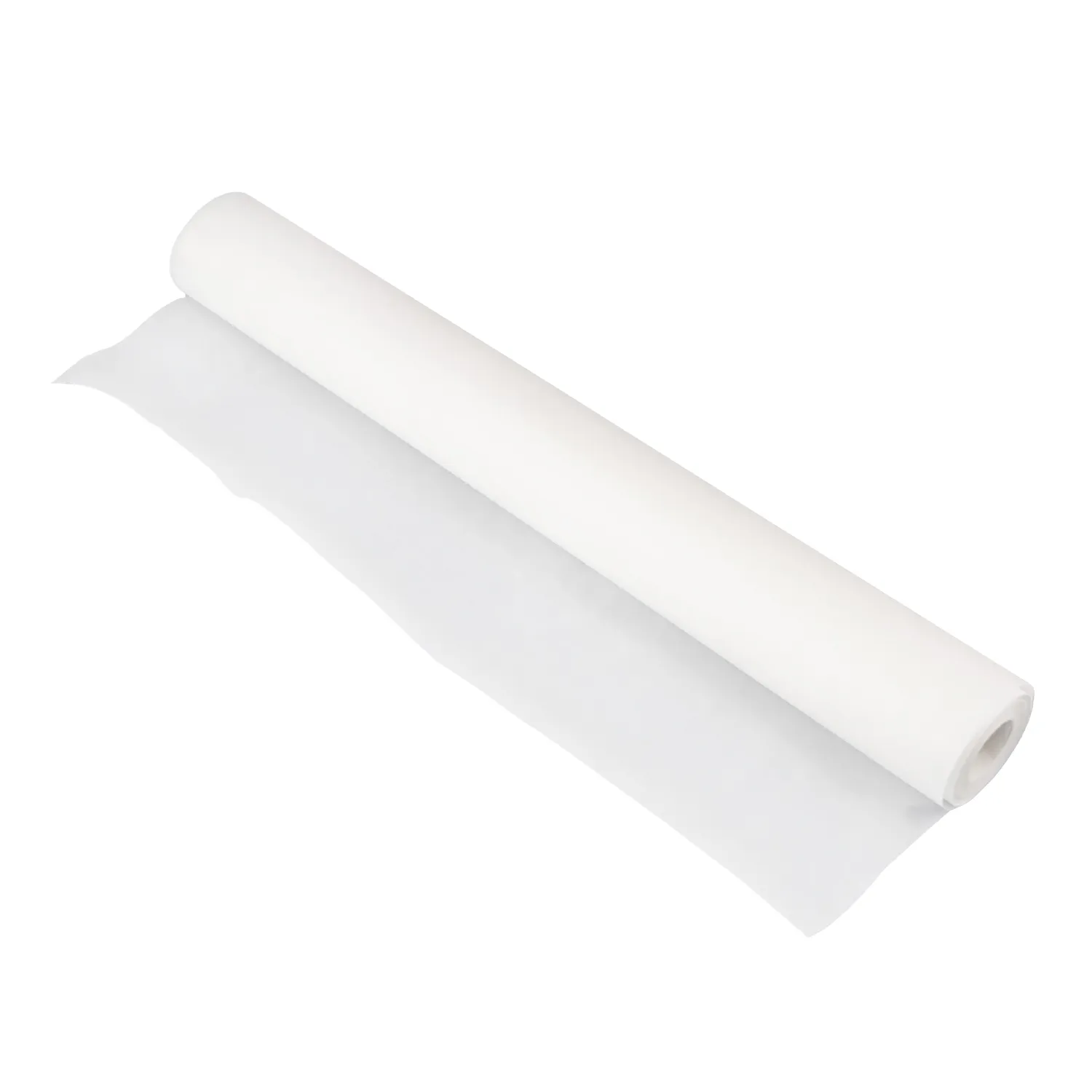
See the complete thermal datasheet by clicking here: Thermal Break Felt

AS17 s California wildfires have become alarmingly frequent, fueled by prolonged droughts, extreme heat waves, and strong seasonal winds. These catastrophic events often leave communities grappling with widespread property damage, displacement, and heartbreaking losses of life. In recent news, the term “miracle house” has surged to popularity, highlighting how certain structures remain unscathed despite raging wildfires. This phenomenon underscores the vital role of fire-resistant materials, stricter building codes, and community-driven prevention measures. Thermal management World Leader : LiPOLY TIMs®


A Miracle in the Fire: The House That Remained Unscathed

One of the most compelling stories in the wake of recent California wildfires is that of a home that stood untouched while neighboring properties were reduced to ash. Media outlets quickly labeled it a “miracle,” but a closer look revealed a meticulously planned defense system. The homeowner had invested heavily in fireproof construction techniques, incorporating fire-resistant roofing, sealed eaves, and careful landscaping—often called creating a “defensible space.” Together, these measures formed an effective shield against flying embers and intense heat.

Though no single material or approach can guarantee total invulnerability, the combination of smart land management and robust fireproofing significantly raises the odds of survival. This house’s success story became a rallying point for architects, homeowners, and local governments eager to adopt similar strategies, reminding the public that sometimes the “best fire insurance” is investment in prevention rather than relying solely on post-disaster coverage.

Why Fire-Specific Building Codes Need an Upgrade

Even as California continues to refine its wildfire preparedness strategies, there is growing consensus that existing building and fire codes must evolve. Traditional regulations aim to prevent the rapid spread of fire but often overlook the extreme temperatures and sustained heat exposure characteristic of modern wildfires. Embers can travel miles ahead of the main blaze, igniting rooftops, decks, and other flammable surfaces almost instantaneously.

  • Defensible Space Requirements: Current guidelines advise homeowners to clear vegetation and debris within at least 30 feet of a structure, but recent regulations and proposed upgrades extend this radius to 100 feet or more in high-risk areas.
  • Fire-Resistant Roofing: Some cities now require Class A fire-rated roofing materials, such as tile or metal, which are better at resisting both flame and flying sparks.
  • Sealing Vulnerable Entry Points: Building codes increasingly mandate the sealing of attic vents and crawl spaces with fine mesh screens to block embers.

Yet these steps alone cannot address the full scope of wildfire threats. Incorporating cutting-edge fireproofing products—like high-performance thermal blankets—represents the next logical step in comprehensive fire safety regulations.

AS17-s Thermal Blanket: A High-Efficiency Fireproof Material

Among the various fireproofing technologies on the market, AS17-s Thermal Blanket stands out for its exceptional performance. This material boasts an impressively low thermal conductivity of just 0.028 W/m*K, meaning it transfers heat at a significantly slower rate compared to conventional insulation. Even under extreme conditions exceeding 1000°C, AS17-s Thermal Blanket can maintain structural integrity for several hours, buying precious time for firefighters to intervene and limiting the spread of flames within wall assemblies or roofing systems.

  1. Unmatched Fire Resistance: Thanks to its high melting point and robust construction, AS17-s remains stable even under prolonged exposure to intense heat and flames.
  2. Superior Energy Efficiency: Its low thermal conductivity not only helps in fire scenarios but also reduces heating and cooling costs year-round, making it a dual-purpose investment for homeowners.
  3. Easy Installation: AS17-s Thermal Blanket is designed to be installed in walls, ceilings, and floors without requiring extensive structural modifications, allowing both new builds and retrofits to benefit from its properties.

The Best Fire Insurance Is Fire Prevention

Though property insurance can help cover the cost of rebuilding after a disaster, it does nothing to shield homeowners from the immediate dangers of losing personal belongings, facing temporary displacement, or worse. After all, no amount of money can fully compensate for the trauma and potential loss of life that wildfires can inflict. This is why investing in fire prevention measures is often touted as the best form of “insurance” in California.

  • Regular Maintenance: Routinely clearing gutters, removing dry brush, and trimming overhanging branches is crucial.
  • Choosing the Right Materials: Implementing AS17-s Thermal Blanket in key structural areas adds a formidable layer of protection against heat transfer and flame spread.
  • Community Coordination: Neighborhood-wide strategies, such as shared defensible spaces and updated fire hydrant systems, enhance safety beyond individual properties.

Case Studies and Lessons Learned

Many regions in California have observed that homes incorporating multi-layered fireproof systems—ranging from specialized roofing to robust insulation—fare better when wildfires strike. The “miracle house” phenomenon isn’t luck; it’s the culmination of planning, materials research, and responsible housekeeping. In several case studies:

  • Reduced Internal Temperatures: Properties outfitted with advanced thermal blankets reported significantly lower internal temperatures during wildfire events, minimizing structural damage and even preventing interior items from catching fire.
  • Fewer Ember Intrusions: Sealed vents and insulated crawl spaces lowered the likelihood of ember entry, often the initial trigger for residential fires.
  • Faster Recovery: Even in worst-case scenarios where external damages occurred, the interior of these homes often remained habitable, accelerating the reconstruction process.

Toward a Safer Future: Upgrading Regulations and Materials

As climate change continues to intensify the severity of wildfire seasons, the need for more rigorous regulations and superior fireproof materials becomes ever clearer. Legislators and building officials are already proposing amendments that would mandate advanced insulation systems like AS17-s Thermal Blanket, particularly in high-risk zones where wildfire activity is most frequent.

  • Mandatory Fireproofing: Some proposals include making fire-resistant barriers and high-performance insulation compulsory for all new constructions or major renovations in designated wildfire corridors.
  • Financial Incentives: Tax credits or rebates for installing advanced fireproof materials could motivate homeowners to upgrade beyond standard building code requirements.
  • Public Awareness Campaigns: Educating residents on the importance of creating defensible space and selecting the right insulation can make communities more resilient overall.

Conclusion: A Holistic Approach to Fire Safety

From the miraculous survival of certain “unscathed” homes to the recognized value of robust materials like AS17-s Thermal Blanket, one lesson emerges: fire safety in California demands a holistic, community-wide strategy. Upgraded building codes, cutting-edge fireproofing technologies, and consistent homeowner vigilance work together to offer the strongest defense against devastating wildfires.

While no single product or method can eliminate risk entirely, the key lies in combining preventive action with advanced protective materials. In this sense, the best fire insurance truly is prevention—and prevention hinges on building with the future in mind. By embracing innovations like AS17-s Thermal Blanket and advocating for stricter, forward-thinking building regulations, Californians can continue to safeguard their homes, their neighborhoods, and their peace of mind in an era of unpredictable wildfire seasons.


LiPOLY TIM Technology : Thermal Solutions

When it comes to managing heat in electronic devices, choosing the right thermal interface material (TIM) is crucial. Among the most common TIMs are thermal tape, thermal paste, and thermal pads. Each has unique properties and applications that make them suitable for different scenarios. Here’s a comprehensive comparison and analysis of these three materials.

Thermal tape is easily cut to size, simplifying assembly processes but will likely not reach the initial performance level of Thermal Paste.Thermal Pads are Pre-cut and easy to handle, reducing the risk of application errors.


Thermal Tape

Characteristics and Applications:

Thermal tape, also known as double-sided thermal adhesive tape, combines high thermal conductivity with strong adhesive properties. It is designed to fill gaps between heat sources and metal components, effectively dissipating heat generated by electronic products. Thermal tape is often reinforced with materials like glass fiber or polyimide to enhance its strength and dielectric breakdown voltage.

Advantages:

  • Ease of Use: Thermal tape is easy to apply; simply cut to size, peel off the backing, and stick it onto the surfaces.
  • Adhesive Functionality: It eliminates the need for mechanical fasteners like screws, simplifying assembly processes.
  • Versatility: Suitable for small chips on motherboards, LED lamps, and other small electronic components.

Disadvantages:

  • Limited Reusability: Once applied and removed, thermal tape generally cannot be reused.
  • Adhesive Residue: Removal can sometimes leave adhesive residue on components.

Thermal Paste

Characteristics and Applications:

Thermal paste, also known as thermal grease or compound, is a thermally conductive material used to fill air gaps between heat-generating components and heat sinks. It is particularly effective in maximizing heat transfer by filling microscopic imperfections on surfaces.

Advantages:

  • High Thermal Conductivity: Offers superior heat transfer capabilities compared to other TIMs.
  • Flexibility: Can be applied as a thin layer to conform to uneven surfaces, making it ideal for CPUs and GPUs.
  • Cost-Effective: Generally less expensive than thermal pads.

Disadvantages:

  • Application Complexity: Requires careful application to avoid mess and ensure even coverage.
  • Maintenance: Can dry out over time, necessitating periodic reapplication.

Thermal Pads

Characteristics and Applications:

Thermal pads are pre-formed solid materials that provide a consistent thickness for uniform pressure distribution between components. They are commonly used in applications where ease of use and electrical insulation are important.

Advantages:

  • Ease of Installation: Pre-cut and easy to handle, reducing the risk of application errors.
  • Electrical Insulation: Provides an added layer of protection by preventing electrical conductivity between components.
  • Non-Drying: Unlike thermal paste, thermal pads do not dry out over time, offering a longer-term solution without frequent maintenance.

Disadvantages:

  • Lower Thermal Conductivity: Typically offers less efficient heat transfer compared to high-quality thermal pastes.
  • Single Use: Once removed, they cannot be reused and must be replaced with new pads.

Conclusion

Choosing between thermal tape, thermal paste, and thermal pads depends on specific application requirements:

  • 🔗Thermal Tape is ideal for applications requiring both adhesion and heat dissipation without mechanical fasteners.
  • 🔗Thermal Paste excels in high-performance scenarios where maximum heat transfer is needed but requires careful application.
  • 🔗Thermal Pads offer simplicity and insulation benefits but may fall short in scenarios demanding high thermal conductivity.

Ultimately, the decision should be based on factors such as ease of use, thermal performance needs, electrical insulation requirements, and cost considerations. Each material has its strengths and weaknesses, making them suitable for different applications in electronic device manufacturing.


LiPOLY TIM Technology : Thermal Solutions

Silicone vs. Silicone-Free Thermal Interface Materials

Thermal interface materials (TIMs) are crucial for thermal management in electronic devices. They help transfer heat from components to heat sinks, ensuring optimal performance and longevity. TIMs are primarily categorized into silicone-based and silicone-free materials. Each type has distinct characteristics, advantages, and applications. Here is a detailed comparison of these two types.


See the complete thermal datasheet by clicking here: 
Thermal GAP PAD

Silicone-based materials are ideal for high-temperature environments requiring robust mechanical properties, while silicone-free options are better suited for applications needing superior electrical insulation and reduced contamination risk.


Silicone-Based Thermal Interface Materials

Silicone-based TIMs are widely used in electronics due to their excellent mechanical and thermal properties.

Key Features:

  • Composed of silicone polymers (such as silicone oils or greases) mixed with fillers to enhance thermal conductivity
  • High thermal stability over a wide temperature range
  • Good adhesion to surfaces
  • Low chemical reactivity
  • Non-conductive with good thermal conductivity

Advantages:

  • Excellent resilience against vibration and chemicals
  • Superior performance in high-temperature environments
  • Easy to apply and remove, suitable for applications requiring frequent maintenance or replacement

Disadvantages:

  • Potential for outgassing, which may lead to contamination
  • Higher cost compared to some alternatives

Silicone-Free Thermal Interface Materials

Silicone-free TIMs are formulations that do not contain silicone compounds, relying on other materials to achieve performance.

Key Features:

  • Made from non-silicone polymers like acrylics, polyimides, metals, or ceramics
  • Reduced outgassing tendencies
  • Lower dielectric constant, offering better electrical insulation

Advantages:

  • Suitable for applications requiring high electrical insulation
  • Less risk of contamination in sensitive environments
  • Can offer higher thermal conductivity than some silicone-based options

Disadvantages:

  • May have lower mechanical flexibility compared to silicone-based TIMs
  • Performance can vary significantly depending on the specific material composition

Choosing the Right Thermal Interface Material

When selecting between silicone-based and silicone-free TIMs, consider the following factors:

  1. Thermal Conductivity: Silicone-based TIMs generally offer higher thermal conductivity.
  2. Electrical Insulation: Silicone-free TIMs provide better electrical insulation due to lower conductivity.
  3. Temperature Resistance: Silicone-based materials excel in high-temperature applications.
  4. Outgassing Concerns: Choose silicone-free options if contamination is a concern.
  5. Cost Considerations: Evaluate the long-term benefits against initial costs.
  6. Application Requirements: Consider specific industry regulations or restrictions on silicone use.

Both silicone-based and silicone-free TIMs have their place in modern electronic thermal management. Silicone-based materials are ideal for high-temperature environments requiring robust mechanical properties, while silicone-free options are better suited for applications needing superior electrical insulation and reduced contamination risk.Carefully assess your application’s specific requirements to determine which type of TIM is most suitable for your needs.


LiPOLY TIM Technology : Thermal Solutions

Key Differences and Application Guide

Thermal grease and thermal pads are two common thermal interface materials (TIMs) used to improve heat conduction between electronic components and heat sinks. While they serve the same purpose, they differ significantly in their properties and applications. This article will delve into the comparison of these two materials, helping you choose the best solution for your specific needs.

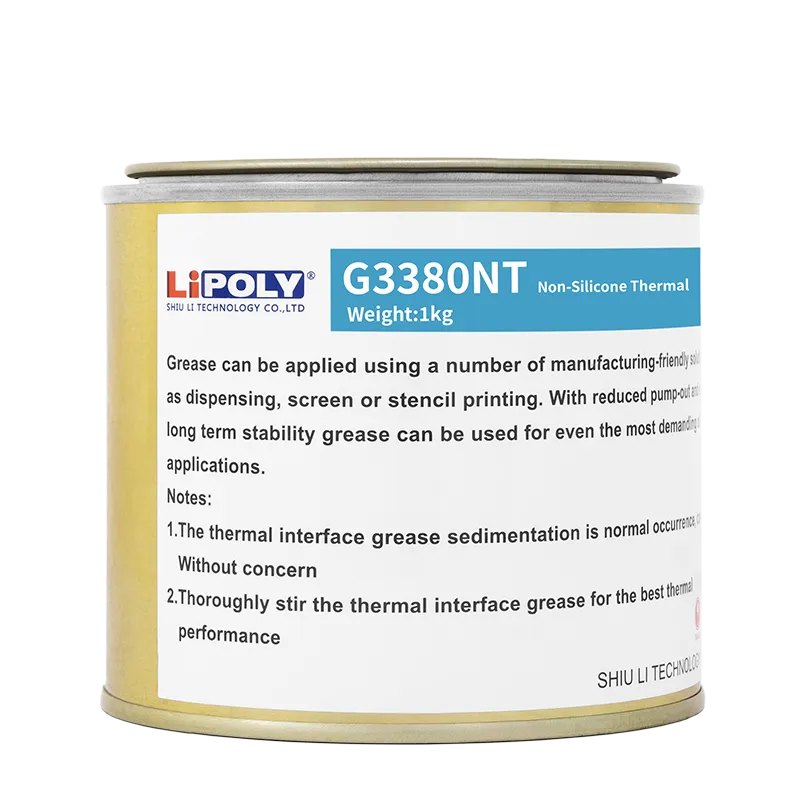
See the complete thermal datasheet by clicking here: Thermal Grease
See the complete thermal datasheet by clicking here: Thermal GAP PAD

Thermal grease and thermal pads are two common thermal interface materials (TIMs) used to improve heat conduction between electronic components and heat sinks. While they serve the same purpose, they differ significantly in their properties and applications. This article will delve into the comparison of these two materials, helping you choose the best solution for your specific needs.


Characteristics of Thermal Grease

Thermal grease, also known as thermal paste, is a viscous compound typically made of silicone or ceramic-based materials mixed with thermally conductive fillers. Its main advantages include:

  • Superior Thermal Conductivity: Thermal grease can fill microscopic air gaps, providing better heat transfer efficiency.
  • High Adaptability: It easily conforms to irregular surfaces, ensuring maximum contact area.
  • Thin Application: Can achieve ultra-thin bond lines of 10-20 microns, further reducing thermal resistance.

However, applying thermal grease requires some skill and may dry out or experience pump-out effects over time.

Characteristics of Thermal Pads

Thermal pads are pre-formed solid materials, usually made of silicone or other polymers, manufactured in specific shapes and thicknesses. Their key benefits include:

  • Ease of Use: Can be quickly installed without special skills.
  • Cleanliness: Less likely to make a mess compared to thermal grease.
  • Reusability: Can often be reused multiple times in certain situations.
  • Shock Absorption: Able to absorb vibrations, protecting sensitive components.

However, thermal pads generally have lower thermal conductivity compared to high-quality thermal grease and may not fully conform to surface irregularities.

Application Comparison

FeatureThermal GreaseThermal Pad
Thermal EfficiencyHighMedium
Application DifficultyMediumLow
CleanlinessLowerHigh
Conformity to Irregular SurfacesExcellentFair
Shock AbsorptionLowHigh
ReusabilityLowMedium to High

Choosing the Right TIM

Choose Thermal Grease: When you need optimal thermal performance and have the ability to apply it precisely. Ideal for high-performance CPUs, GPUs, etc.

Choose Thermal Pads: When ease of use and cleanliness are priorities, or when shock absorption is needed. Suitable for laptops, automotive electronics, etc.

Conclusion

Both thermal grease and thermal pads have their strengths and weaknesses. The choice depends on your specific application requirements. For scenarios demanding extremely high thermal performance, thermal grease might be the better option. In situations requiring quick, clean installation or shock absorption, thermal pads could be more suitable. Regardless of your choice, ensuring proper application is key to achieving optimal heat dissipation.


LiPOLY TIM Technology : Thermal Solutions


Choosing the Right Thermal Interface Material

In modern electronic thermal management, selecting the appropriate Thermal Interface Material (TIM) is crucial. Thermal Gel and Thermal Pad are two common choices, each with unique characteristics and applications. Let’s compare these materials to help you choose the best solution for your specific needs.

See the complete thermal datasheet by clicking here: Thermal Gel
See the complete thermal datasheet by clicking here: Thermal GAP PAD

For high thermal conductivity and the ability to fill small gaps, thermal gel is better choice. For easier installation, and pre-formed shape, thermal pad is more suitable.


Characteristics of Thermal Gel

Thermal Gel, also known as thermal encapsulation gel or thermal RTV gel, is a low-viscosity, flame-retardant, two-component silicone-based thermal encapsulation material.

Key features:

  • Can cure at room temperature or with heat for accelerated curing
  • Possesses certain adhesive properties
  • Forms a rubber-like gel state after curing, which cannot be melted
  • Thermal conductivity higher than Thermal Pad but lower than Thermal Paste (Thermal Grease)
  • Difficult to separate bonded objects after curing
  • Suitable for applications requiring one-time bonding

Characteristics of Thermal Pad

Thermal Pad is a pre-formed sheet of thermally conductive material designed to fill gaps between heat sources and heat sinks.

Key features:

  • Thermal conductivity ranging from 0.8 to 15 W/m·K
  • Available in various thicknesses and sizes
  • Easy to install and replace
  • Provides electrical insulation
  • May offer shock absorption properties

Thermal Gel vs. Thermal Pad Comparison

  1. Application Method:
    • Thermal Gel: Requires automatic dispensing machine, more resilient and less likely to dry out compared to grease.
    • Thermal Pad: Direct placement without additional processing
  2. Curing Process:
    • Thermal Gel: Needs time to cure, forming a stable structure
    • Thermal Pad: No curing required, ready for immediate use
  3. Thermal Performance:
    • Thermal Gel: Generally better than Thermal Pad, but may be lower than high-end thermal pastes
    • Thermal Pad: Good thermal performance, typically lower than liquid TIMs
  4. Gap Filling Ability:
    • Thermal Gel: Excellent for filling irregular surfaces and microscopic gaps
    • Thermal Pad: Pre-formed shape may limit ability to fill highly irregular surfaces
  5. Adhesive Properties:
    • Thermal Gel: Adhesive, difficult to separate after curing
    • Thermal Pad: Usually non-adhesive, easy to replace
  6. Ease of Use:
    • Thermal Gel: Requires precise mixing and application, potentially more complex
    • Thermal Pad: Simple to use, suitable for mass production.

Selection Recommendations

Choosing between Thermal Gel and Thermal Pad depends on your specific application requirements:

  • For filling complex shapes or providing additional adhesion, Thermal Gel might be the better choice.
  • For applications requiring frequent maintenance or replacement, or in mass production scenarios prioritizing consistency and convenience, Thermal Pad may be more suitable.
  • Consider thermal requirements, installation environment, maintenance frequency, and cost factors when making your final decision.

Regardless of the chosen solution, ensuring proper application and installation is crucial for achieving optimal thermal management and extending the lifespan of electronic devices.


LiPOLY TIM Technology : Thermal Solutions

Thermal putty and thermal pads are both thermal interface materials (TIMs) used to improve heat transfer between heat sources and heat sinks. However, they have distinct characteristics and advantages that make thermal putty a preferable choice in certain applications. Here’s a comparison of thermal putty and thermal pads, highlighting why thermal putty might be the better option.

Thermal putty is a moldable material that fills gaps and conforms to uneven surfaces on heat sources, making it ideal for applications with high mechanical tolerances.


Thermal Putty🔗

Characteristics:

  • Moldability: Thermal putty is a soft, moldable material that can easily fill gaps and conform to uneven surfaces between heat sources and heat sinks. This flexibility makes it ideal for applications with high mechanical tolerances.
  • Thermal Conductivity: It offers strong thermal conductivity and electrical insulation properties, maintaining performance over repeated heating and cooling cycles.
  • Application: Thermal putty can be applied using dispensing machines, making it suitable for high-volume applications. It is particularly useful in scenarios where the exact thickness of the TIM needs to be adjusted on-site.

Advantages:

  • Versatility: Its ability to conform to various shapes and fill gaps of different sizes makes it more versatile than pre-cut thermal pads.
  • Cost-Effectiveness: Thermal putty can be more cost-effective over time due to its longevity and reduced need for replacement compared to thermal pads that may dry out or lose efficiency.
  • Performance at High Temperatures: It retains its thermal properties better at higher temperatures compared to some thermal pads.

Thermal Pads🔗

Characteristics:

  • Pre-Fabricated: Thermal pads are solid, pre-fabricated materials that come in various thicknesses and sizes. They are typically made from silicone or other flexible materials enhanced with thermally conductive fillers.
  • Ease of Use: They are easy to install by simply peeling off a protective film and placing them between the heat source and sink.

Advantages:

  • Simplicity: Easy to handle and apply without the mess associated with pastes or putties.
  • Electrical Insulation: Provides good electrical insulation, making them suitable for electronic devices where voltage is present across the interface.

Disadvantages Compared to Putty:

  • Limited Conformability: Thermal pads may not conform as well to irregular surfaces or fill gaps as effectively as thermal putty.
  • Potential for Drying Out: Over time, thermal pads can dry out, reducing their effectiveness in heat transfer.
  • Fixed Thickness: The pre-set thickness of thermal pads can be a limitation in applications requiring precise thickness adjustments.

Conclusion: Why Thermal Putty Wins

Thermal putty offers several advantages over thermal pads, particularly in applications requiring flexibility, high mechanical tolerance, and long-term reliability. Its ability to mold into various shapes and fill uneven gaps makes it a versatile choice for complex assemblies. Additionally, its cost-effectiveness and superior performance at high temperatures provide significant benefits in maintaining efficient heat dissipation over time.While thermal pads are easier to apply and provide good electrical insulation, their limitations in conformability and potential for drying out make them less suitable for applications demanding precise heat management solutions. Therefore, in scenarios where adaptability and long-term performance are critical, thermal putty emerges as the superior option.


LiPOLY TIM Technology : Thermal Solutions


Understanding Thermal Putty and Thermal Gel

When it comes to effective thermal management in electronic devices, selecting the right thermal interface material (TIM) is crucial. Two popular options are thermal putty and thermal gel, each with distinct properties and applications. Understanding these differences can help you make an informed choice for your specific needs.

See the complete thermal datasheet by clicking here: Liquid Gap Fillers

Thermal putty is a soft material and easily conform to irregular surfaces and fill larger gaps. Thermal Gel do not cure over time, suitable for frequent disassembly may be required.


What is Thermal Putty?

Thermal putty is a soft, pliable material designed to fill gaps and provide thermal conductivity between heat-generating components and heat sinks. Its unique characteristics include:

Excellent Gap-Filling Ability: Thermal putty can easily conform to irregular surfaces and fill larger gaps, making it ideal for applications where components do not align perfectly.

High Compressibility: This material maintains its performance under stress without flowing vertically, ensuring reliable contact between surfaces.

Durability: Thermal putty is resistant to drying out, allowing it to maintain its thermal conductivity over extended periods without needing frequent reapplication.

What is Thermal Gel?

Thermal gel is a versatile TIM that combines the properties of both thermal paste and adhesive gels. It typically has a gel-like consistency that allows for easy application. Key features of thermal gel include:

User-Friendly Application: The gel consistency makes it easier to apply compared to traditional pastes, reducing the risk of air bubbles during application.

Non-Curing Properties: Unlike some adhesives, thermal gels remain soft and do not cure over time, making them long-term stability.

Good Thermal Conductivity: While generally offering lower conductivity than high-grade thermal pastes, thermal gels still provide adequate performance for many applications.

Comparing Applications

FeatureThermal PuttyThermal Gel
Application MethodMoldable; fills larger gapsGel-like; easy to spread
Gap FillingExcellent for uneven surfacesSuitable for small to moderate gaps
Temperature StabilityHigh stability across various temperaturesRemains soft; resists drying out and hardening over time
ReusabilityCan be reused without significant loss of performanceReusable; easy to remove and reapply

Choosing Between Thermal Putty and Thermal Gel

The decision between thermal putty and thermal gel depends on your specific application requirements:

Opt for Thermal Gel when ease of application is paramount, especially in mass production settings or when frequent maintenance is expected. Its user-friendly nature makes it a great choice for beginners or those looking for quick application methods.

Use Thermal Putty when you need a flexible solution that can accommodate larger gaps or uneven surfaces. It is particularly effective in environments where components may shift or vibrate, such as automotive or industrial applications.

Conclusion

Both thermal putty and thermal gel serve vital roles in managing heat in electronic devices. By understanding their differences, you can choose the right material that meets your performance requirements. Whether you prioritize gap-filling capability with thermal putty or the ease of application with thermal gel, making an informed choice will enhance the reliability and efficiency of your products.


LiPOLY TIM Technology : Thermal Solutions